


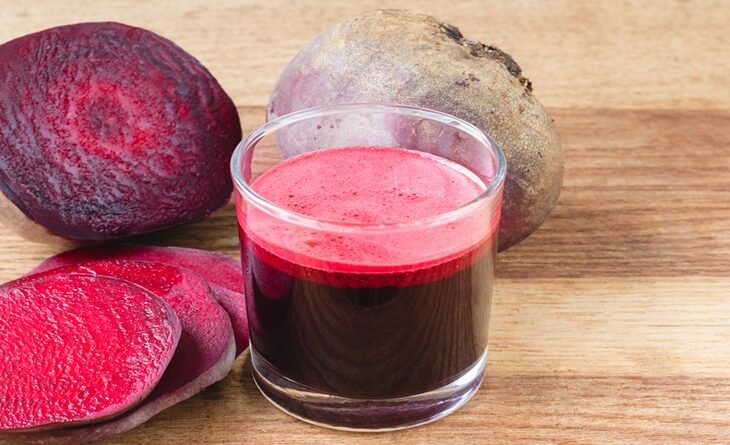
Beetroot, or beet, is a vegetable produced from the root of the plant *Beta vulgaris*. Its low-calorie content and richness in folate, vitamin C, potassium, and fiber make it a healthy option to include in a daily diet. Furthermore, its betalain pigments, responsible for its intense red color, are notable for their protective effect against oxidative damage.
Various studies have revealed that beets can improve heart function, boost athletic performance, and improve brain function, thanks to the great vitamins and minerals they contain.
Cardiovascular health
The natural nitrates in beets promote the dilation of blood vessels, which helps to lower blood pressure. This effect makes the root vegetable a useful ally for cardiovascular health. Regular consumption of beet juice can also improve circulation and offer additional benefits for the heart.
Brain benefits
A study conducted on older adults who consumed a nitrate-rich diet (with beetroot juice) for 24 hours showed, after performing an MRI, that it significantly increased blood flow in the frontal cortex, a crucial area of the brain for functions such as memory, attention, and planning.
Another study conducted on a younger population confirmed these findings, showing that a single serving of beetroot juice reduces arterial resistance in the brain, indicating increased cerebral blood flow.
Sports performance
In the sports world, beetroot is especially valued by athletes, thanks to its ability to improve physical endurance and optimize performance during exercise. The increase in nitric oxide facilitates better gas exchange and greater muscle efficiency. It also has the potential to strengthen liver function through compounds that support toxin elimination.
Consumption and side effects
The different ways to prepare beets make it easy to incorporate this vegetable into your diet. Eaten raw, it retains all its antioxidants, while roasted, boiled, or steamed, it offers flavor variations to suit different tastes. Beet juice stands out as a concentrated source of nutrients, which can be combined with fruits or vegetables.
However, its consumption may cause some minor side effects such as temporary changes in the color of urine or stool, as well as possible digestive discomfort.