


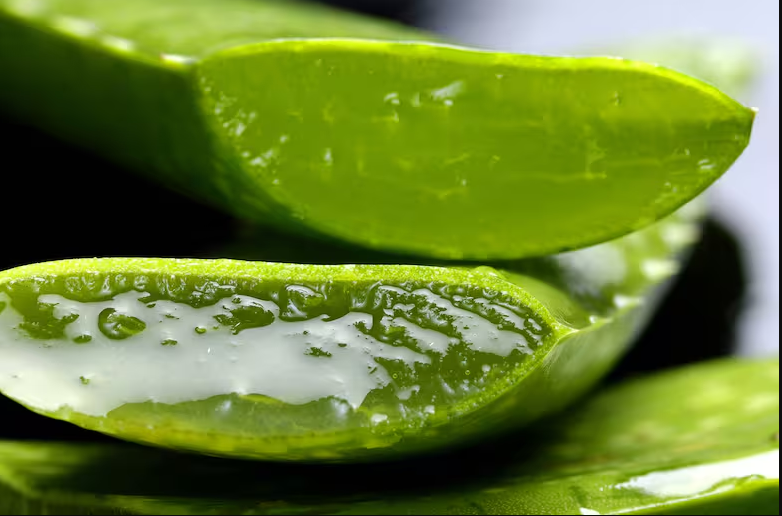
Many people have an aloe vera plant in their gardens, which has historically been used in preparations for its healing properties. A member of the succulent family, science highlights its anti-inflammatory, healing, and skin-repairing benefits.
The properties of aloe vera: what it’s good for, according to science
According to the study Aloe vera: A short Review published in the Indian Journal of Dermatology, aloe vera has at least five major benefits thanks to its 75 active components, including vitamins, enzymes, minerals, salicylic acids, and amino acids.
Among the different properties of aloe vera, specialists have found:
1.- Healing effects
Aloe vera contains glucomannan, a polysaccharide rich in mannose, and gibberellin, a growth hormone, which interact with collagen proteins in the human body and stimulate their activity. This contributes to the formation of connective tissue.
According to the study, when the gel obtained from the plant itself was tested on people with wounds, the structural fiber increased, its composition changed, and the degree of cross-linking increased. As a result, the wound healing process accelerated, and the scar tissue became more resilient.
2. Anti-inflammatory action
The specialists also determined that aloe vera has anti-inflammatory properties, as it inhibits an enzyme called cyclooxygenase, which improves blood flow. Furthermore, it contains arachidonic acid, which reduces the production of prostaglandin E2, an important mediator between nerve impulses and the secretory capacity of cells.
In this regard, Oxford University explained that the anti-inflammatory quality of Aloe is due to the clear, gelatinous sap in the center of its leaves, which is used to heal wounds and as a treatment for burns.
3. Soothing effect after sunburn
In addition to being anti-inflammatory, the gel from aloe vera leaves offers a protective effect after skin burns.
The research indicated that, after applying aloe vera, the dermis obtains an antioxidant protein, metallothionein, which can neutralize hydroxyl radicals, that is, it slows down those reactive molecules that damage cells and accelerate aging.
Thus, it strengthens natural defenses, protects the skin against sun damage, and slows down its aging.
4.- Results on the skin
Aloe vera contains mucopolysaccharides that help retain moisture in the skin. At the same time, its ability to stimulate fibroblasts, which produce collagen and elastin fibers, leads to greater skin elasticity and fewer wrinkles.
According to experts, aloe can also bind together superficial flaking epidermal cells and soften skin tissue. In this sense, it acts as an astringent to close pores and prevent acne.
5.- Natural laxative
The study also confirmed its effects as a natural laxative when consumed as a controlled infusion. Aloe vera can increase intestinal water content, stimulate mucus secretion, and activate natural bowel movements that lead to stool evacuation.
Precautions when using aloe vera
While many believe the best way to reap its benefits is to cut a leaf and extract the translucent gel inside, it’s crucial to consult a healthcare professional before applying it to the skin or consuming it. Direct contact with the plant could cause dermatitis, rashes, or even more severe allergic reactions in some individuals.
Dr. Nooshin Hosseini, a board-certified gastroenterologist based in New York City, told Allure that several studies indicate that oral intake of aloe vera may be helpful in treating various gastrointestinal symptoms in the short term, but they are not conclusive.
“To date, no large-scale clinical trials have been conducted that demonstrate a reliable benefit of aloe vera for gastrointestinal health,” he noted.
The gastroenterologist warned that excessive use of whole-leaf tea can have dangerous consequences. “It can be dangerous both in the short term, due to fluid and electrolyte imbalances, and in the long term, as a possible link to colorectal cancer,” Hosseini cautioned, recommending that everyone consult a doctor first.