


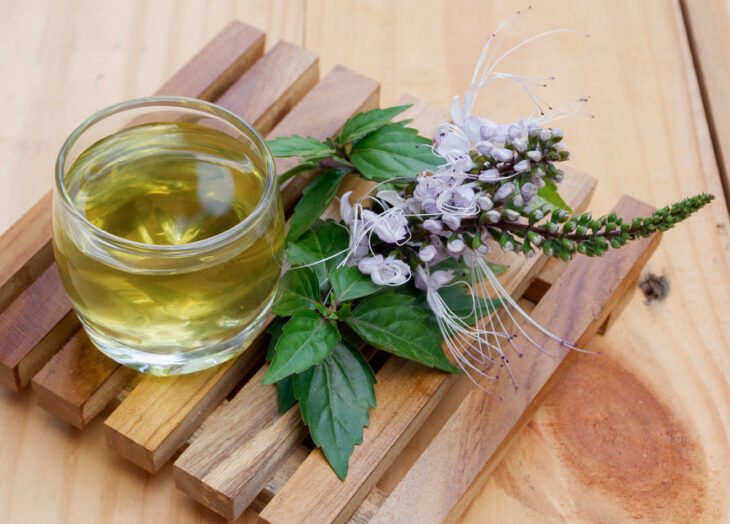
Bladder stones, also known as bladder calculi or bladder lithiasis, are caused by an accumulation of substances such as oxalates or uric acid. These, in turn, tend to form after the crystallization of particles from overly concentrated urine.
They are less common than kidney stones but can be quite bothersome. Therefore, as a first line of treatment, it is essential to increase water intake and modify eating habits.
Furthermore, we cannot forget the importance that some medicinal plants have traditionally had in the treatment and prevention of this problem. Are you familiar with them? Discover how to use them in infusions.
Why do bladder stones accumulate?
The main reason for the accumulation of these small stones in the bladder is due to incomplete emptying of the bladder when urinating.
This occurs when there are conditions affecting the urinary tract that impair the bladder’s ability to store urine. These conditions may include:
- Benign prostatic hyperplasia (BPH): very common in older men. The enlarged prostate gland can obstruct the flow of urine from the bladder.
- Kidney stones: stones in the kidneys could descend through the ureters into the bladder and accumulate there if they are not eliminated or dissolved.
- Urinary tract infection: can lead to inflammation of the bladder and consequently to difficulty urinating.
- Neurogenic bladder: occurs when the nerves that carry information from the brain to the bladder muscles are damaged as a result of a neurological disease or injury.
- Use of bladder catheters.
How do I know if I have bladder stones?
Sometimes bladder stones can be asymptomatic because the stones do not block the normal flow of urine, and are only detectable through imaging tests.
However, when there is a blockage or the stone is irritating the bladder wall, the following symptoms may appear:
- Sudden pain in the lower abdomen.
- Hematuria or blood in urine.
- Need to urinate constantly.
- Problems or inability to urinate.
- A burning or stinging sensation when urinating.
- Fever may occur if there is an infectious process.
In addition, the formation of kidney stones is often closely related to lifestyle and eating habits.
Low fluid intake, a diet low in fiber and very high in salt, protein, and oxalates (mineral salts present in certain vegetables such as spinach) are clear predisposing factors for bladder stones.
Although most of the time, kidney stones are eliminated spontaneously in the urine, there are more serious cases that require surgical intervention.
This is because the stones become lodged in the urinary tract, compromising its proper function and causing intense pain. Therefore, preventative treatment to avoid future episodes is essential.
Infusions to dissolve bladder stones
As we have already mentioned, following a balanced diet and increasing water consumption are two important measures when it comes to preventing the formation of kidney stones.
But in addition to these healthy measures, herbal medicine plays a crucial role in both the prevention and treatment of mild bladder stones. We offer some options below.
Dandelion infusion
In this case, the entire plant is used, including its root, which is rich in fructose and inulin. The leaf has high concentrations of potassium, terpenes, and phenolic compounds.
All these components give it a powerful diuretic effect. Dandelion is indicated as an adjunct in the treatment of bladder stones.
For the infusion, you can use 4-10 g of leaf or root, up to 3 infusions per day.
Horsetail orEquisetumm infusion
It is traditionally used in the treatment of mild kidney stones due to its diuretic and remineralizing properties. It increases the volume of urine excreted and promotes the cleansing of the urinary tract.
2-3 g of horsetail are infused in 250 ml of water.
Orthosiphon infusion or Java tea
This plant, native to Indonesia, has a strong diuretic effect and is indicated for the treatment and prevention of urolithiasis (kidney stones). Due to its high potassium salt content, it works by increasing the volume of urine excreted.
For the infusion, use 2-3 g of Java tea leaves in 150 ml of water, 2 to 3 infusions per day.
Do you have bladder stones? Remember that these remedies can complement your treatment and speed up relief. However, keep in mind that they are not a substitute for medications prescribed by your doctor. If symptoms persist, don’t hesitate to go to the emergency room.