


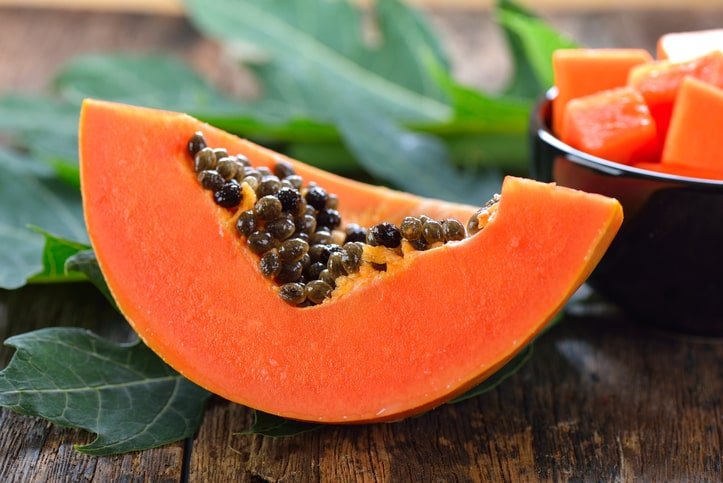
Papaya is a fruit prized for its orange pulp and sweet flavor, as well as for its ability to protect the heart. Thanks to its antioxidant, fiber, and essential nutrient content, it has become a recommended option by nutrition specialists for combating high cholesterol and promoting cardiovascular health.
Renowned institutions such as Harvard, the Cleveland Clinic, and the American Heart Association highlight its benefits in various reports.
How papaya helps fight high cholesterol
Papaya is distinguished by its high content of dietary fiber, antioxidant vitamins, and compounds such as lycopene. The fiber present in the fruit helps reduce cholesterol absorption in the body, resulting in lower blood cholesterol levels.
In turn, antioxidants—primarily vitamins A, C, and E—prevent the oxidation of LDL cholesterol, a key factor in the formation of plaques that clog arteries. Folic acid helps metabolize homocysteine, an amino acid linked to cardiovascular risk.
Carotenoids such as lycopene and lutein improve blood circulation and help reduce inflammation within blood vessels, which can lead to a lower risk of cholesterol deposit formation.
According to American Heart Association News, lycopene is associated with a lower risk of heart disease and stroke. Furthermore, potassium-rich foods, such as papaya, promote blood vessel relaxation and help maintain healthy blood pressure, according to Julia Zumpano, a registered dietitian at the Cleveland Clinic.
The health benefits of papaya
Beyond its impact on cholesterol, papaya offers additional benefits thanks to its nutritional profile. Beta-carotene supports eye health, and the enzyme papain facilitates protein digestion. The combination of fiber and enzymes helps maintain a healthy digestive system and promotes overall well-being.
Fermented papaya can reduce blood sugar levels, a relevant aspect for those with prediabetes, although its consumption is not recommended for people under treatment with insulin or oral medications for diabetes.
Ripe papaya is particularly safe and well-tolerated by most people, provided that excessive consumption of the seeds is avoided, as these can cause digestive discomfort. For those seeking a preventative and supportive option for cardiovascular health, regularly including papaya can be effective and easy to incorporate into their daily diet.
The nutritional value of papaya
Papaya is low in calories and rich in essential nutrients. A medium-sized papaya provides about 120 calories, 30 grams of carbohydrates (18 of which are sugars), and 5 grams of fiber. It is notable for its mineral content, including calcium, potassium (286 milligrams per small papaya), magnesium, and copper, as well as vitamins A, C, E, and K.
A small papaya provides 95.6 milligrams of vitamin C, exceeding 100% of the recommended daily intake, which reinforces its antioxidant properties and its ability to protect cells against damage from free radicals.
Lycopene and other phytonutrients in papaya enhance its antioxidant properties, promote cardiovascular health, and help combat oxidative stress. Furthermore, its low-calorie content makes it an accessible and easy-to-incorporate option into various diets.
How to eat papaya to absorb its nutrients
Papaya can be enjoyed fresh for breakfast or as part of salads, smoothies, and desserts. Combining it with yogurt or cereal allows you to take advantage of both its fiber and its water- and fat-soluble vitamins.
Adding a few drops of lemon or lime juice enhances its flavor and nutritional value. It can be added to meat marinades for its tenderizing properties, or consumed in frozen cubes to prepare refreshing drinks.
The seeds can also be used, though in small quantities, by drying and grinding them as a pepper substitute in salads and sauces. It is always recommended to use ripe papaya to avoid any gastrointestinal discomfort and maximize nutritional benefits.
Regularly including papaya in your diet helps control cholesterol, strengthen cardiovascular health, and add essential nutrients to your daily meals. Thanks to its versatility, flavor, and nutritional profile, this fruit stands out as a natural ally in the fight against high cholesterol.