






Chronic inflammation represents a significant public health challenge, as its persistence can contribute to the development of type 2 diabetes, cardiovascular conditions, arthritis, and certain types of cancer.
While inflammation is a natural bodily response to defend itself and repair tissues, its indefinite and silent presence can cause significant damage. In this regard, experts point out that factors such as stress, physical inactivity, smoking, and especially an unhealthy diet can promote the development and maintenance of chronic inflammation.
The good news is that prevention starts in the kitchen, since a diet rich in anti-inflammatory foods plays an essential role in preventing disease and promotes a better immune system. Certain foods and spices stand out for their contribution of antioxidants, vitamins, minerals, and bioactive compounds, which neutralize free radicals and modulate the inflammatory response.
Spices with anti-inflammatory potential
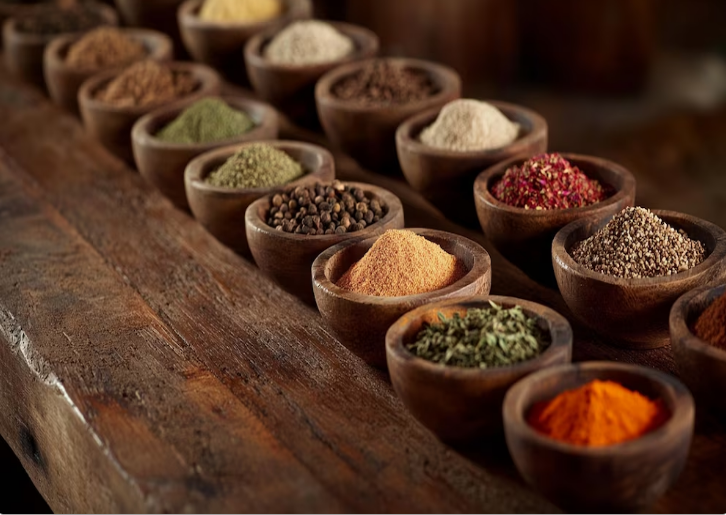
Adding anti-inflammatory spices can enrich your daily diet and add flavors that are beneficial to your health. These are the ones most recommended by specialists:
- Cinnamon: primarily the cassia variety, rich in coumarin, has shown positive effects in people with diabetes, arthritis, or colitis. It can be added to infusions, desserts, or breakfasts.
- Ginger: Dried ginger develops shagaol, a compound that inhibits prostaglandins and cytokines involved in inflammation. It is suggested for use in teas, soups, and main dishes.
- Cloves: thanks to eugenol, also known as clove oil, they offer anti-inflammatory and analgesic properties. They are a great addition to desserts and stews.
- Cilantro: its seeds provide effective polyphenols to reduce inflammation, ideal in Tex-Mex seasoning blends.
- Black pepper: contains piperine, which enhances the absorption of curcumin (present in turmeric) and inhibits pro-inflammatory compounds. It is recommended to combine it with turmeric and use it in various dishes.
- Nutmeg: The oil, rich in sabinene, terpineol, and pinene, acts as an inhibitor of COX-2, an enzyme linked to the inflammatory process. Useful in hot drinks and baking.
- Cumin: Research suggests it may suppress pro-inflammatory signaling, helping with symptoms such as swelling and pain. It adds flavor to curries and chilies.
- Cayenne pepper: provides capsaicin, which modulates the inflammatory response and pain receptors. It should be used sparingly in sauces and stews.
- Garlic: contains allicin, a compound capable of mitigating the body’s inflammatory response, applicable in countless recipes.
- Turmeric: thanks to curcumin, it’s a star spice for fighting inflammation. It’s recommended to add it to stews or smoothies.
Including these spices in your daily diet not only adds flavor but also enhances a diet that is beneficial for preventing chronic diseases.
Other recommended foods
Spices aren’t the only ingredients that can help fight inflammation. As Infobae reported in a previous article, it’s also a good idea to add the following to your meals:
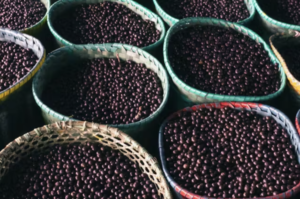
- Red fruits and berries, such as strawberries, blueberries, and blackberries, due to their contribution in antioxidant anthocyanins.
- Leafy green vegetables: spinach, cabbage, broccoli, and chard are a source of protective vitamins and minerals.
- Fatty fish: salmon, mackerel, and sardines contain omega-3 fatty acids with proven anti-inflammatory efficacy.
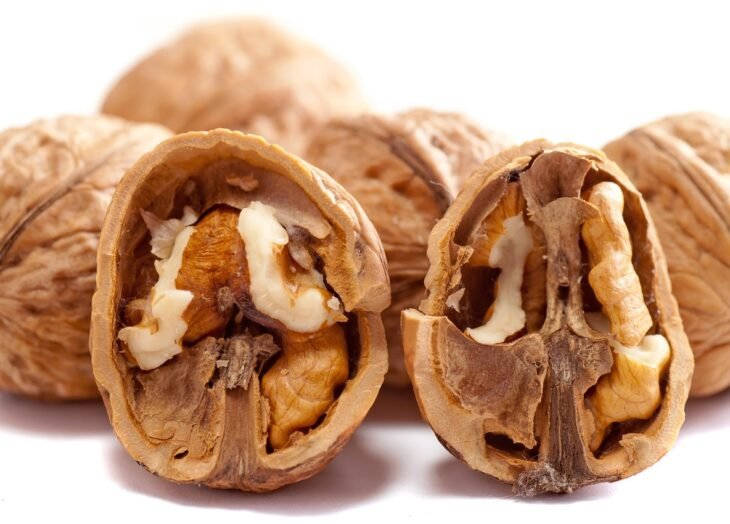
- Nuts and seeds: provide healthy fats and fiber.
- Extra virgin olive oil: rich in polyphenols and monounsaturated fats, key in the Mediterranean diet.
- Tomato: source of lycopene, another important antioxidant.
- Legumes: lentils and chickpeas, essential for their fiber, vegetable protein, and antioxidants.
- Green tea: offers catechins with anti-inflammatory properties.
Variety, freshness, and balance are essential. Experts emphasize that adding these foods, along with spices, contributes to a comprehensive strategy against inflammation.
Recommendations for an anti-inflammatory diet
Nutritionists emphasize the importance of meal planning, choosing natural and seasonal products, and avoiding processed ingredients or those high in saturated fats, replacing them with healthier options like olive oil. Suggestions such as adding berries to breakfast, experimenting with spice combinations, and consistently choosing fresh foods can make a substantial difference to long-term health.
Registered dietitian Caylee Clay emphasized on Real Simple: “Variety will do your health more good than a megadose of the same thing.” However, experts advise consulting a healthcare professional before making significant dietary changes, especially if you have pre-existing medical conditions or are currently undergoing treatment.
The benefits of following an anti-inflammatory diet are reflected in the protection of body tissues, the reduction of oxidative stress, and a decreased risk of chronic diseases. However, experts emphasized that no single food acts alone; the true protective effect arises from the combination of fresh, varied, and healthy foods, along with other habits such as regular physical activity and stress management.