







The dandelion (Taraxacum officinale), a wild plant commonly considered a “weed”, has been recognized for its many therapeutic properties in traditional medicine.
Its benefits range from improving liver function to supporting the digestive and urinary systems, making it a valuable natural resource for various conditions.
Among its main properties, dandelion is known for being a powerful purifier and detoxifier. It stimulates both the liver and kidneys, facilitating the elimination of toxins from the body. This makes it an ally for those suffering from fluid retention, mild liver problems, or even skin conditions such as acne.
Furthermore, it contains bitter compounds, such as taraxacin, which promote bile production, improving fat digestion and optimizing liver function. These characteristics make it especially useful in cases of fatty liver, indigestion, and mild liver dysfunction.
Diuretic benefits of dandelion
Dandelion also stands out as a mild yet effective natural diuretic. Unlike pharmaceutical diuretics, it does not cause significant potassium loss, making it a safer option for treating conditions such as high blood pressure, edema, or urinary tract infections.
Its ability to stimulate the production of gastric juices positions it as an effective digestive remedy, recommended to relieve symptoms such as dyspepsia, gas, abdominal bloating, and lack of appetite.
In addition to its digestive and diuretic benefits, dandelion has anti-inflammatory and antioxidant properties thanks to its flavonoid and phenolic compound content. These components protect cells from oxidative damage and can help reduce mild inflammation in the body.
On the other hand, some studies have suggested that this plant could have a positive effect on regulating blood glucose levels, making it interesting as a supplement for people with prediabetes or type 2 diabetes, always under medical supervision.
Mild laxative
Another of its notable uses is as a mild laxative. Both the leaves and roots of the dandelion can stimulate intestinal transit, making it useful in cases of mild constipation.
This versatility in its therapeutic applications has led to its use in various forms of consumption, such as infusions, tinctures, capsules, or even in salads, taking advantage of its young leaves with a slightly bitter taste.
Despite its many benefits, dandelion use is not without precautions. Its consumption is not recommended for people with gallstones, active ulcers, or allergies to plants in the Asteraceae family. Likewise, those undergoing treatment with diuretics or medications for liver or blood sugar should consult a doctor beforehand to avoid potential interactions.
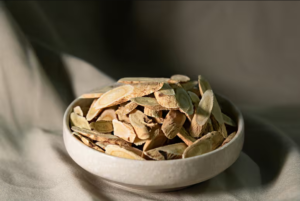
As for their preparation methods, infusions with dried leaves or roots are one of the most common options, while tinctures offer a concentrated presentation in drops.
The capsules, on the other hand, contain standardized extracts for more practical and therapeutic use. For those who prefer to incorporate it into their diet, young dandelion leaves can be added to salads, providing a bitter and nutritious touch.