





The navel is the scar left by the umbilical cord on the abdomen. It’s not the most frequently cleaned part of the body when bathing, but keeping it clean is still important.
Improper care of this area can lead to infections and persistent odor. However, simply wetting the skin isn’t enough to maintain hygiene there. The recommendations will depend on your type of nail.
Below, we’ll guide you step-by-step on how to clean your belly button thoroughly and safely. We’ve also listed the products and substances you can use and those that are not recommended.
Steps to clean your sunken belly button
If you have an inverted belly button, like a hollow, it’s more likely to accumulate microorganisms and dirt there. The same shape encourages the buildup of dust, clothing fibers, flaking skin, sweat, and moisture, which can trigger unpleasant odors.
Shower time is the ideal time to clean your hands. You can take advantage of the fact that your hands will already be clean and you’ll have soap and water available. To do so, we recommend following these steps:
- Use your fingers or a damp washcloth soaked in mild soap to rub the area around your navel. Try to reach the inside.
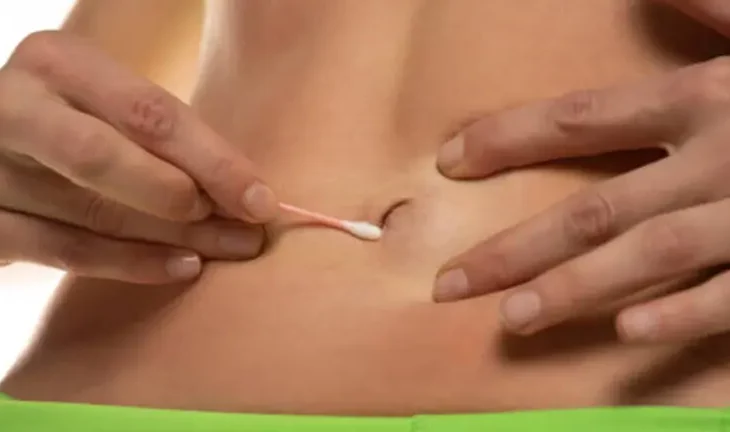
- If you have one available, use a cotton swab to improve the cleaning process. Moisten the swab head with water and gently wipe the area to avoid irritating the skin.
- Rinse the area with clean water to remove any soap residue. Make sure there are no cotton fibers left if you used a cotton swab.
- After showering, use a clean towel to gently dry the area. Try to remove all moisture, especially if your belly button is deep, as this can encourage the growth of bacteria and fungi.
- If possible, and you’re not in a hurry, finish drying the area in the air.
How to clean an outie belly button
If your belly button sticks out, you’ll have an easier time. This shape reduces dirt buildup and makes washing more practical.
Again, the best time is in the shower. Only this time you won’t need a cotton swab, although a wet wipe might help. The following will suffice:
- Run the sponge, neutral soap, or soapy wet wipe over the skin of your navel, as you would with the rest of your abdomen.
- Rinse well to remove all residue.
- Lightly pat with a dry towel and, if possible, let it air dry.
Recommendations for cleaning a belly button with a piercing
Washing the navel with a piercing is essential to prevent infection. Just as the area naturally tends to accumulate dirt, sweat, and bacteria, this accumulation is even more likely if there’s a wound from the piercing. Furthermore, that same wound provides access to the inside of the abdomen.
Keep in mind that it can take up to a year and a half for a navel piercing to heal. During that time, there is a risk of infection.
Therefore, cleaning these piercings is different from the usual procedure. It’s recommended to use saline solution or physiological saline to clean the piercing, and there’s no consensus on whether to shower. We’ll give you step-by-step instructions for cleaning outside of your shower or bath:
- Wash your hands thoroughly with water and antiseptic or neutral soap.
- Prepare a solution with a glass of warm water and a tablespoon of salt, or use a commercial saline solution.
- First, wet the piercing area with plenty of warm, salt-free water to loosen any dirt.
- Now use a cotton swab or sterile gauze moistened with the saline solution to pass around the jewelry and inside the navel.
- Rinse with clean water to remove residue.
- Dry with sterile gauze, a clean towel, or let it air dry. Avoid rubbing.
How often should I clean it?
Once a week will be enough to give your navel a thorough cleaning, for which you can use a cotton swab or a wet wipe to help you.
However, if you exercise regularly or live in a hot climate, you’ll need to increase the frequency. In summer, and especially if you sweat more, daily cleansing can prevent unpleasant odors.
The situation is quite different with a navel piercing. The area around the jewelry should be cleaned following the steps we described earlier, twice a day for the first few weeks after the piercing. Afterward, the frequency can be reduced to once a day, but this should be maintained until the healing process is complete, which could take a year or more.
What products should I use for cleaning it?
Tea tree oil, rosemary alcohol, and coconut oil are natural solutions for cleaning the navel. However, they are not essential. As we explained, soap and water are sufficient for general hygiene, and saline solution is sufficient for piercings.
However, it is possible to use two other products that could help with the cleaning:
- Isopropyl alcohol: 70% alcohol is an antiseptic. It’s known to have disinfectant properties and is therefore recommended for eliminating bacteria. You can apply it in small amounts occasionally, but not as a regular practice. The problem is that it dries out the skin and increases irritation. In fact, it’s no longer recommended for cleaning the umbilical cord of newborns for this reason. It also wouldn’t be helpful if there’s a piercing.
- Chlorhexidine: its usual concentration is 4%. It is an effective antiseptic that does not usually irritate. It is indicated when there is a specific risk of infection; for example, if there is a piercing with jewelry or if there is recurrent omphalitis. In general, it is recommended for navel hygiene in people who have received a medical indication to use it.
In turn, several products would be best avoided, such as the following:
- Hydrogen peroxide or oxygenated water, as it irritates the skin.
- Disinfectants with caustics, such as apple cider vinegar or glutaraldehyde.
- Oils and greasy lotions should be avoided, as oily substances trap moisture underneath them and, in the case of the navel, would promote bacterial growth.
What can happen if you don’t clean your belly button properly?
Not maintaining regular hygiene around the navel could lead to the following problems:
- Skin irritation. The itching symptom could then lead to injuries and wounds.
- Bad odor. Due to the accumulation of sweat and bacteria. It’s not a serious health issue, but it can affect privacy and appearance.
- Omphaloliths are accumulations of material in the navel that harden and form small stones or calculi. They are not dangerous, but they can be bothersome and, by irritating the skin, cause pain.
- Omphalitis. That’s the name for an infection or inflammation of the navel. Although it’s more common in newborns, adults can also get it. It’s associated with piercings and poor hygiene and is characterized by redness, swelling, and pus discharge.
The navel also deserves attention.
Although often neglected, the navel needs cleaning. It’s also important to pay attention to any symptoms that might indicate a problem in that area, such as pain. This is especially true if you’re going through something unusual, like getting a piercing or becoming pregnant.
With our recommendations, you’ll surely have no trouble maintaining hygiene there. Remember not to use your fingernails to pick at dirt, as you could hurt yourself, and try to minimize humidity after bathing to prevent excessive bacterial and fungal growth.
If you notice redness, unusual discharge, or a persistent odor, consult a doctor. And if you’re unsure which products to use, remember that water and mild soap are usually sufficient.