




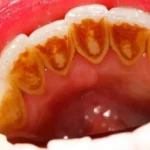

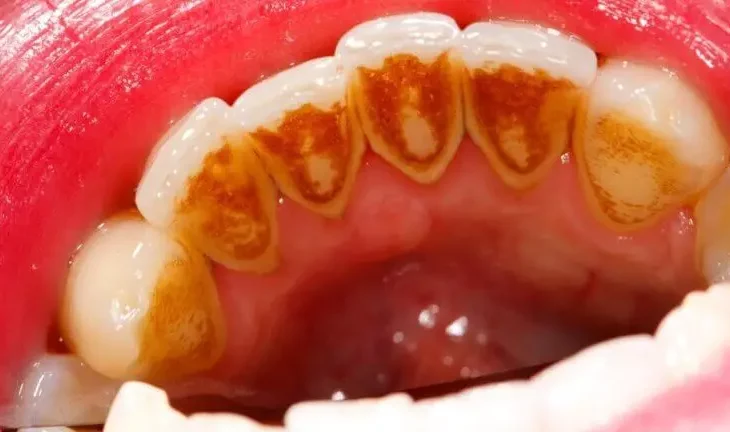
Tartar, also known as “dental calculus”, consists of the hardening of bacterial plaque on the surface of the teeth, almost always due to poor oral hygiene.
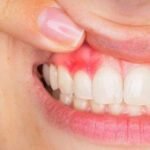
This plaque can be seen below the gum line, on the teeth, and in fillings or other dental work. If not properly removed, it can inflame the gums, cause bad breath, and lead to more serious problems such as cavities and periodontal disease.
Since it accumulates frequently, many people seek natural ways to remove it. However, eliminating it isn’t so simple. Although there is a wide variety of home remedies that promise to help, professional intervention is often required. Below, we explain more about this.
Why does tartar form on teeth?
As we mentioned, tartar is a hardened buildup of plaque that forms on the teeth and below the gum line. This substance develops when plaque, a sticky film made up of bacteria, food debris, and saliva, is not properly removed through good oral hygiene.
Over time, the minerals in saliva combine with the accumulated plaque, causing it to harden and form tartar. As this layer calcifies, it becomes more difficult to remove with brushing alone and requires professional intervention.
Tartar buildup occurs most frequently in hard-to-reach areas and near the ducts where saliva comes out, such as the back of the lower teeth, the outer surface of the upper molars, and the area between teeth.
In its initial stage, tartar is usually yellowish or whitish, but when it forms below the gum line, it can turn brown, green, or black. This not only affects appearance but also overall oral health.
How to remove tartar from teeth?
While social media often promotes home remedies that promise to remove tartar without a visit, the truth is that this is not possible. Applying acidic or abrasive ingredients to tooth surfaces, as these trends suggest, can cause irreversible damage to oral health, such as enamel loss, sensitivity, and an increased risk of cavities.
To remove tartar from teeth, the intervention of a trained professional is essential. Dentists use specialized instruments and specific pastes that allow them to safely remove calcified plaque without compromising oral health.
Ways to control tartar buildup on teeth
As we’ve explained, once tartar has formed, it’s impossible to remove it from your teeth unless you see a dentist for professional treatment. However, there are several strategies you can use at home to control or prevent its formation.
The main goal is to control plaque and prevent it from accumulating. A clean mouth, free of debris deposits, reduces the chances of minerals having a place to precipitate and form more tartar.
These are some measures you shouldn’t overlook if you want to control limescale in your home.
1. Brush your teeth well
To remove plaque, it’s essential to brush your teeth correctly. This involves using the proper technique, ensuring you clean all surfaces—inner, outer, and chewing—of your teeth, as well as your tongue. Brushing should last at least two to three minutes and be done two or three times a day to maintain optimal oral hygiene.
Electric toothbrushes, especially those with oscillating-rotating movements, are more effective at reducing plaque and gum inflammation. Their design allows for a deeper and more efficient cleaning compared to manual toothbrushes. Choosing one of these devices can be a great help in controlling tartar buildup.
2. Choose the right toothpaste
Choosing a toothpaste with fluoride is essential for tartar protection. This mineral, in addition to strengthening tooth enamel and making it more resistant to the acids that cause cavities, interferes with the formation of plaque.
In addition, some toothpastes are specifically formulated to control tartar. The inclusion of ingredients such as aragonite, potassium, and sodium pyrophosphates, zinc salts, and triclosan helps prevent its formation.
On the other hand, toothpastes formulated with sodium bicarbonate can control plaque and have a mild abrasive action that can improve the removal of debris without damaging teeth. However, it is important to use products formulated with this ingredient, endorsed by organizations that certify its safety, rather than applying it directly or without dental supervision.
Clean between your teeth.
The bacterial plaque that accumulates between teeth cannot be removed by a toothbrush. Therefore, without proper interdental cleaning, it is likely to calcify and turn into tartar.
Dental floss and interdental brushes are effective for reaching the areas between teeth and below the gum line, removing food debris and plaque. Regular use prevents tartar buildup, keeps gums healthy, reduces inflammation, and lowers the risk of periodontal disease.
You can also use a water flosser. These devices use a pressurized jet of water that can reach between your teeth and below the gum line to remove bacteria and debris. When used regularly and correctly, they are very effective at reducing plaque.
4. Use mouthwash
Using mouthwashes containing antibacterial agents, such as cetylpyridinium chloride, chlorhexidine, or certain essential oils, is an effective way to reduce plaque buildup. These products inhibit the growth of oral bacteria and are a useful complement to brushing and flossing.
Mouthwashes containing chlorhexidine digluconate are effective in controlling plaque and reducing gum inflammation. However, prolonged use beyond two weeks is not recommended, asity can cause side effects such as temporary staining of the teeth and tongue, as well as changes in the sense of taste.
5. Eat healthy
Limiting your intake of sugary and starchy foods helps reduce the environment that fosters the growth of plaque-producing bacteria. Incorporating fresh fruits and vegetables into your diet not only promotes vigorous chewing, which increases saliva production, but also helps keep your mouth clean.
Do home remedies work to remove tartar?
Despite the promises circulating online, home remedies for removing tartar have been the subject of debate. While some ingredients offer certain benefits for oral health, most are ineffective at removing tartar, and in some cases, their use can be harmful.
Below, we present the most popular alternatives and what you should know about them:
Sodium bicarbonate
It is one of the most common ingredients in home remedies for oral health. Although its moderate use can help reduce plaque and relieve gum inflammation, it cannot remove tartar that has already formed.
For safe use, it is recommended to mix half a teaspoon of baking soda in a cup of warm water and rinse your mouth once or twice a day for no more than a week. This can help reduce inflammation and control plaque buildup.
However, excessive or direct use of this substance can be abrasive and damage tooth enamel, increasing the risk of sensitivity and long-term problems. It is preferable to choose toothpastes that contain it among their ingredients, as they are formulated to minimize damage while still providing its benefits.
Lemon
Lemon juice has become popular as a natural whitener and a substance capable of removing plaque from the mouth. However, while it may have some antibacterial effects, its high acidity makes it a dangerous option for oral health.
The citric acid it contains is very strong and can erode tooth enamel. The loss of this protective layer is irreversible and not only weakens teeth but also makes them more susceptible to cavities and sensitive to hot and cold temperatures.
Hydrogen peroxide
Hydrogen peroxide, also known as oxygenated water, is known for its disinfectant properties and is used in dental products for teeth whitening. However, these properties are only effective when used in appropriate concentrations and under professional supervision.
What happens if the tartar is not removed?
As tartar accumulates on the teeth and under the gums, its persistence encourages the growth of more bacteria. This can cause gingivitis, an inflammation of the gums that, if left untreated, can progress to periodontitis.
Pyorrhea, or periodontitis, is an advanced infectious and inflammatory process of the tissues that support the teeth. Without timely treatment, bone loss and the destruction of the fibers that hold the teeth together can lead to tooth mobility and eventual loss.
This condition is associated with systemic problems, such as an increased risk of heart disease, neurodegenerative diseases, and complications during pregnancy. Removing tartar from the mouth is one way to maintain good oral health.
What to remember about removing tartar from your teeth?
Once it forms, dental tartar can only be removed professionally at a dentist’s office. Although home remedies may seem helpful, they are ineffective and can even be harmful.
Some natural ingredients have the potential to reduce the risk of plaque, the main cause of tartar. However, they do not replace the beneficial effects of good oral hygiene. Furthermore, they should be used with caution and only as a complement to dental hygiene.
Finally, never try to remove tartar buildup yourself or use household tools, as this can damage your teeth and gums. The best way to address this problem is to consult your dentist, who will perform a professional cleaning and advise you on the best oral care to maintain optimal dental health.