




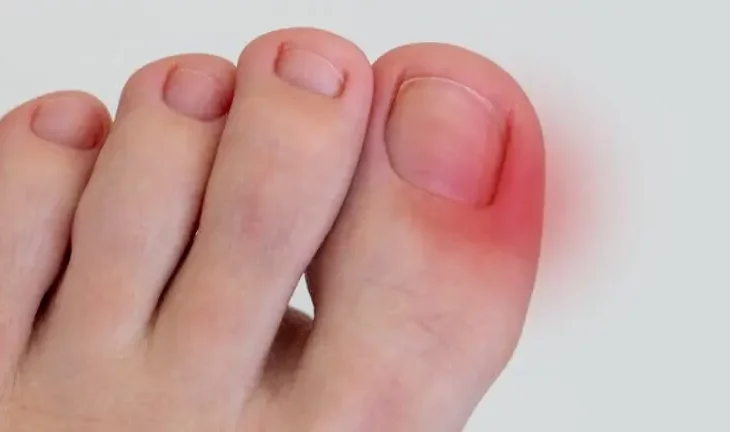
When ingrown toenails appear, many tend to take desperate measures such as picking at them or tearing them off with tweezers; however, there are other home remedies that allow you to reduce their symptoms more safely.
Such is the case with Epsom salts, petroleum jelly, dental floss, or apple cider vinegar, which help relieve redness, swelling, and pain.
Provided they are applied properly, these solutions are usually sufficient to reduce discomfort.
Sometimes, they provide an instant feeling of relief, without the need for further intervention. In other cases, they offer temporary relief until other types of treatment can be used.
Vaseline
Although the effects of petroleum jelly against ingrown toenails lack scientific evidence, there is anecdotal data that speaks of its potential benefits in this context.
In particular, it is used to moisturize the skin and decrease friction around the nail, which also reduces swelling and pain.
Take a small amount of petroleum jelly, apply it to the affected area, and bandage your finger.
Repeat this every night before bed.
Consider applying it daily, even after you get relief. It’s helpful in preventing the ingrown toenail from recurring.
Dental floss
If the nail isn’t too deeply ingrown, you can use a piece of dental floss to try and lift it. However, this is only recommended if you don’t have any signs of infection, such as excessive tenderness or pus.
Instructions
- Carefully try to insert a small amount of dental floss between the nail and the adjacent skin.
- The idea is to create space to separate the nail. This will reduce pressure and the sensation of pain.
- Leave the thread in that position to prevent the nail from becoming ingrown again. Also, change it daily to prevent infection.
- Once you notice improvement, you can remove it. If discomfort persists, consult a podiatrist.
Piece of cotton
Similar to dental floss, a piece of cotton can help gently lift an ingrown toenail, reducing pressure and pain in the surrounding area. It also helps the nail grow in the correct direction, above the skin’s edge.
Instructions
- Moisten a small piece of cotton with warm water to make it more flexible.
- Then, carefully place it between the nail and the affected skin.
- Make sure to keep the area clean and change the cotton regularly to prevent dirt from causing infections.
- Repeat use until you experience improvement.
Apple cider vinegar
Apple cider vinegar is attributed with anti-inflammatory and antimicrobial properties that, in the case of ingrown toenails, may be helpful in reducing swelling and preventing infection. However, its effectiveness is supported only by anecdotal evidence.
If you plan to try it, keep in mind that you can only apply it diluted in plenty of water, as its acidic compounds can burn the skin if applied in their pure form.
Ingredients
- 1/4 cup apple cider vinegar (62 milliliters)
- Warm water (enough to fill a basin)
Instructions
- Pour the apple cider vinegar into a container with plenty of warm water (enough to cover your feet).
- Submerge your feet and leave them soaking for 20 minutes.
- If necessary, repeat the treatment the next day or until you notice an improvement.
Cut your nails straight across.
One of the keys to relieving and preventing ingrown toenails is to cut them straight across with a clean, sharp nail clipper.
Filing or rounding the corners of the nail increases the likelihood of it growing into the skin, as it makes it harder for the nail to grow out. Conversely, a straight cut allows for more even growth.
Over-the-counter pain relievers
Taking an over-the-counter pain reliever, such as ibuprofen or acetaminophen, won’t remove an ingrown toenail. However, you can use them as part of the treatment, as they make the symptoms more bearable by reducing inflammation and pain.
Wear comfortable shoes
While other measures are being taken to remove ingrown toenails, it’s advisable to wear open-toed shoes or sandals. This avoids putting more pressure on the affected nail and reduces the chances of infection.
When should you see a specialist?
If you still can’t relieve your ingrown toenails after trying the remedies mentioned above, it’s best to see a doctor or podiatrist for other treatment options. It’s also important to consult a doctor if you experience severe pain, discharge, fever, difficulty walking, or recurring ingrown toenails.
In these cases, and depending on the severity of the situation, the professional may use various methods to lift or remove the nail. If it is a mild case, they will try to place a splint or bandage to separate the nail from the skin and help it grow over the skin.
In more severe cases, treatment can range from partial nail removal to removal of part of the nail along with the underlying tissue (nail bed). In these procedures, the area is often numbed beforehand.
Which home remedies are best avoided?
Some remedies for ingrown toenails can do more harm than good. This is the case with VapoRub or mentholated ointments, which increase irritation to the sensitive skin around the ingrown nail.
Also avoid products like garlic, onion, lemon, and hydrogen peroxide, whose components tend to be harsh on the skin, especially if it’s sensitive. Finally, it’s best to avoid products containing acetone or other irritating chemicals.