What properties does sage have?
The plant contains flavonoids, bitter principles and essential oils, the latter being where the best properties are concentrated.
Thus, sage is known for its antiseptic, antiviral, anti-inflammatory, antioxidant, digestive and flavoring benefits.
Therefore, sage is often used to relieve digestive disorders, reduce blood glucose levels, treat hormonal disorders, and reduce the pain of insect bites.
What are the benefits of sage tea?
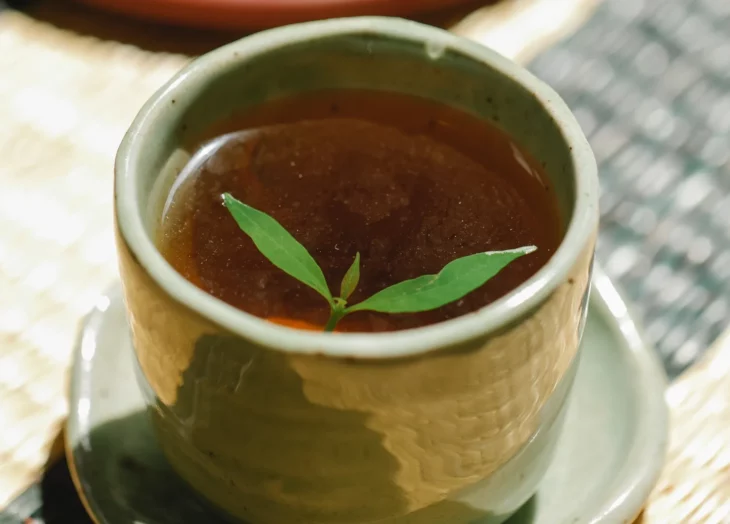
Sage infusion or tea is one of the most popular ways to take advantage of the benefits of this plant, as it helps treat various ailments such as:
- Digestive problems such as diarrhea, bloating, and heartburn.
- Menstrual cramps, sweats and hot flashes of menopause.
- Symptoms of colds such as cough and sore throat.
- Insomnia, memory loss, and depression.
- Lack of concentration and memory.
- Blood sugar imbalances.
Prepare sage tea step by step
Preparing sage tea or infusion is very simple; you just need 5 to 6 sage leaves and follow these simple steps:
- Get at least 5 sage leaves, either from a nursery or, if you prefer, you can grow your own plant.
- Once you have the leaves, the first thing you should do is put one or two cups of water to boil in a saucepan or pot and add the leaves when it reaches the boiling point, to let it boil for approximately 15 minutes.
- Once the leaves have been boiled, they are left to rest for at least five minutes, so that the leaves release all their properties.
- Once they have rested, the infusion should be strained.
Your tea will be ready to drink!